What to check before booking an evening Falls outing
Evening visits to the Falls can feel quite different from daytime trips. The water still does the main work, but crowds, light, access points and timing shape the experience far more than many visitors expect. Before committing to a night outing, it helps to look past the attractive photos and check the practical details that decide whether the evening runs smoothly.
The useful checks are not complicated. They mostly come down to when the lights operate, where the route starts, how long the evening lasts, and what happens if weather or seasonal schedules change. A little attention to those points can prevent a rushed arrival, a missed illumination window or a route that does not suit the group.
Timing and the lighting schedule
Start with the lighting schedule. Night views depend on illumination, and the hours can vary with the season, local events and the time of year. A tour that sounds late enough on paper may still fall short if the main lighting period begins later than expected, or if the route spends much of the evening away from the best viewing points.
Check what the timing includes. Some evening routes focus on the falls after dark, while others blend a daytime component with a later light display. The difference matters if the aim is to see the falls glowing rather than simply finish a full day near the water. Ask whether the route allows enough time at the main viewpoints once the lights are on, instead of passing by with only a brief pause.
Arrival time deserves the same care. A start point that looks close on a map may still require parking, security screening, walking through a busy pedestrian promenade or moving between entrances. Give the evening a cushion. A calm arrival sets a better tone than sprinting across a plaza while the group is already moving.

Route, viewing points and pace
Not all evening routes offer the same view. Some favour the observation deck or a platform close to the falling water. Others use a broader path where the falls are seen from a distance, with pauses for photos and commentary. Neither is automatically better. The right choice depends on whether the priority is proximity, a balanced view, easy movement or a quieter setting.
Look at the pace as well as the stops. A route with many short pauses can feel busy, especially for older travellers or children. A slower route with fewer stops may suit people who want time to take in the scale of the water and the sound around it. If mobility is a concern, check distances, stairs, ramps and whether the route involves standing for long stretches.
Weather can change how the evening feels. Mist near the water may dampen clothing, and paths can become slick in cooler months. A waterproof layer, sensible footwear and a small bag for a camera can make the difference between enjoying the views and spending the evening distracted. In winter, check whether certain paths or platforms are affected by seasonal hours or maintenance.
- Viewing position: Confirm whether the route reaches close viewpoints, broader panoramic spots or a mix of both.
- Walking demand: Check approximate distances, stairs and standing time before choosing a route for the group.
- Shelter: Consider whether rain or wind would leave people exposed for long periods.
- Access: Look for step-free options where needed, especially if the evening begins in a busy arrival area.
What is included and what is not
Evening outings can be packaged in different ways. Some centre on illuminated views from land. Others may mention a boat cruise or tie the night visit to another attraction. These are not interchangeable. A boat cruise has its own operating pattern, boarding point and seasonal limits, and it may not run as late as the illuminated viewing period. If the boat is part of the appeal, confirm that it is included rather than assumed.
Also check whether fireworks form part of the plan. Fireworks are usually tied to specific dates, conditions or local programmes, so they should not be treated as a guaranteed feature of every evening. When the timing and dates fit, they can add a strong ending to the night. When they do not, the illumination and the moving water still provide the central experience.
Photography expectations are worth reviewing too. Low light changes what a camera can capture, and phone images may look softer than expected. A wider aperture, a steady grip and a little patience can help, but flash rarely improves distant water views. If serious photography matters, look for a route with enough time at the viewpoint rather than one that keeps moving every few minutes.

For many visitors, comparing a niagara falls night tour comes down to these small details. The headline image looks similar across many options, but the actual evening can vary through start time, route length, access and the amount of time spent where the lights are strongest.
Group needs and local conditions
Think honestly about the group. A romantic evening, a family outing and a trip with relatives who have limited mobility all call for different choices. Late finishes can be awkward for children, while a short route may feel too rushed for keen photographers. Check whether the route has clear meeting points and whether the group size is likely to affect time at the rail.
Food and facilities should be considered before the booking is made. An evening route that starts after dinner feels different from one that runs straight after work. Nearby restaurants, restrooms and warm indoor spaces can be useful, especially in colder months. If the group includes people who need regular breaks, choose a route that allows that without missing the main viewing window.
Transport also shapes the choice. A visitor staying some distance away needs to know how the return journey will work after dark. Public transport, parking and pickup points can all feel different at night. If the route ends away from where it began, confirm the nearest return option before setting off. This is especially useful when the evening finishes later than expected.
Details worth confirming before you pay
Before making a final decision, read the terms around changes, cancellation and weather. Outdoor plans near large volumes of water are exposed to conditions that cannot be controlled. A clear policy gives more confidence than a vague promise, particularly when travel dates are fixed and there is little room to move them.
Check language and commentary as well. Some visitors want detailed background about the falls, the geology and the local area. Others prefer quiet time with the view. If commentary is a major part of the appeal, confirm the language and style. If not, focus on the route and timing instead.
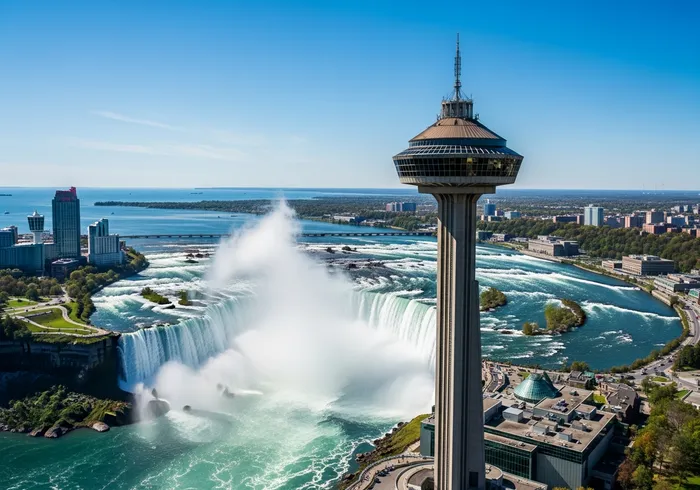
- Seasonal operation: Confirm which parts of the experience run during the chosen month, especially lighting, viewing platforms and add-on features.
- Meeting clarity: Make sure the start point, end point and check-in process are clear before arrival.
- Weather terms: Look for straightforward information about changes caused by poor conditions.
- Photo time: Check that the route allows a proper pause at the best viewing points after dark.
A well-chosen niagara falls night tour is less about finding the most dramatic wording and more about matching the evening to the visitor. When the timing, route, access and inclusions line up, the falls do the rest. The water, the glow and the noise of the current create a setting that is hard to reproduce in daylight, and the practical checks simply help the evening feel unhurried from start to finish.
Treat the booking as a small planning exercise rather than an impulse decision. Check the schedule, understand the route, confirm what is included and think about the people coming along. Those points are simple, but they separate a smooth night out from one spent trying to catch up with plans that were never clearly matched in the first place.